Microplastics in water: new scientific study reveals hidden dangers
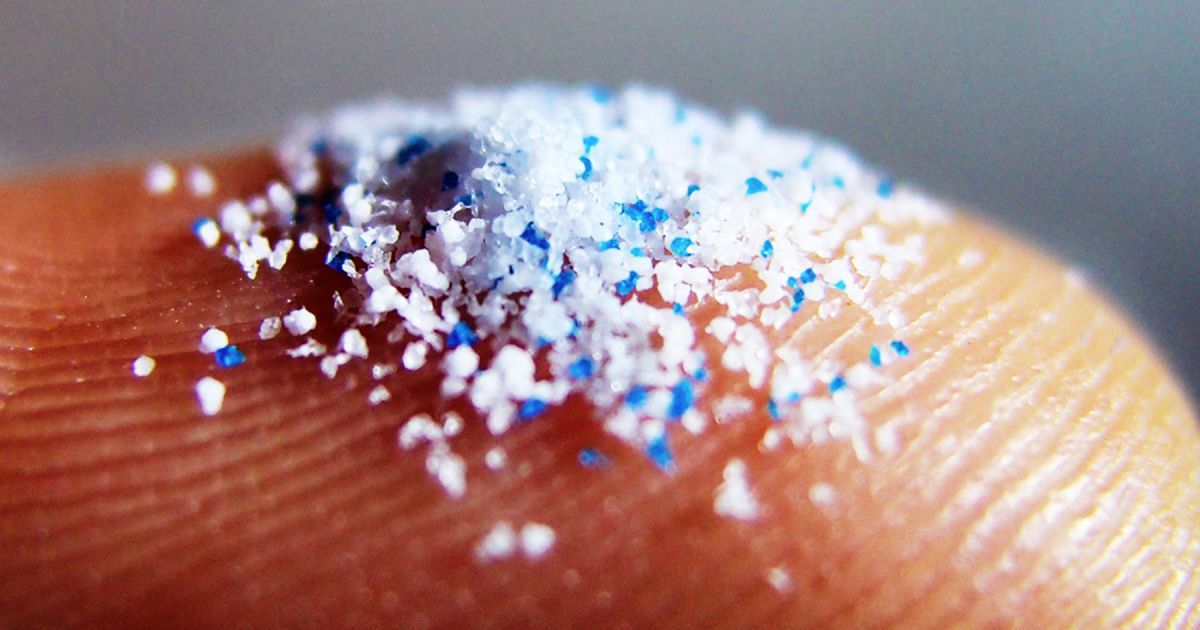
Scientists have discovered that microplastics in water can trigger chemical reactions that potentially damage living cells.
 🏙️City
Photo: TSN
Key points
- Microplastics trigger chemical reactions in water
- Reactive oxygen species damage proteins and DNA
- Heating plastic in households increases contamination risks
The chemical activity of plastic particles
Researchers from Columbia University and the University of California, Berkeley, have found that microplastics are not merely passive pollutants. Upon contact with water, reactive oxygen species (ROS) form on the surface of plastic particles. These molecules are capable of damaging proteins, DNA, and cellular structures.
The study tested six common types of plastic, including polyethylene and PET. Polyethylene and polypropylene were found to be the most active, as their hydrophobic surfaces facilitate electron transfer. Experiments with mouse red blood cells confirmed that contact with plastic can lead to cell damage and rupture.
Household risks and sources of pollution
Microplastic contamination stems from various sources, including synthetic textile washing and industrial waste. In domestic settings, the risk of microplastic release increases when heating plastic containers in microwaves or leaving water bottles exposed to direct sunlight for extended periods.
Microplastics may not just be pollutants, but chemically active materials that trigger dangerous processes upon contact with water.
Source TSN — tsn.ua/zdorovya/mikroplastyk-vyiavyvsia-nebezpechnishym-niz-vvazaly-shc… ↗
Read next
 🇺🇦Ukraine
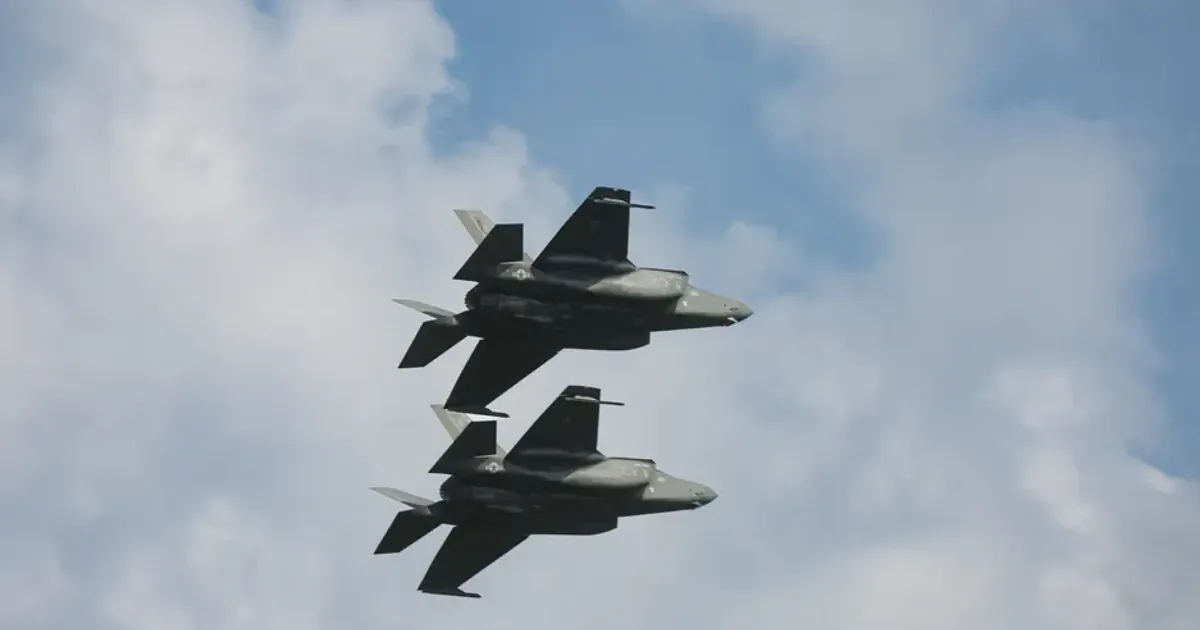
Poland Scrambles Jets During Russian Strike on Ukraine: Drone Enters NATO Airspace
During a massive Russian attack on Ukraine, a drone flew 70 km into Polish territory, prompting the Polish military to activate air defense protocols.
 🎭Culture & Sport
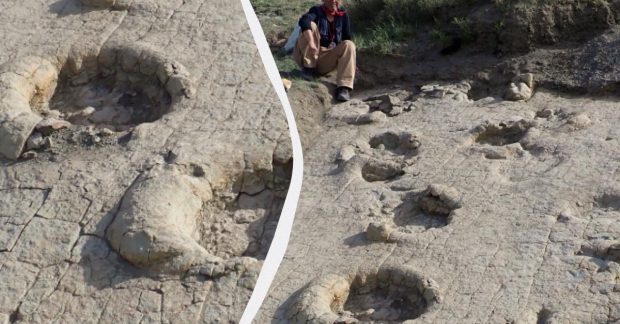
Footprints of Giants: Scientists Rediscover Unique Dinosaur Site in Mongolia After 70 Years
Researchers have successfully relocated a significant paleontological site in Northern Mongolia, identifying 31 fossilized dinosaur tracks dating back 120 million years.
 🛡️Security
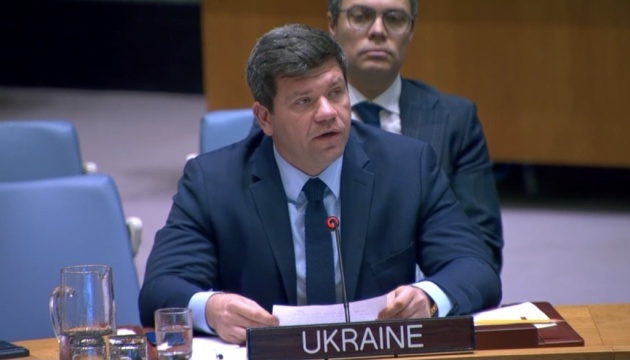
Ukraine at UN: Demands for Troop Withdrawal Are Not a Path to Peace
Ukraine’s Deputy Permanent Representative to the UN Volodymyr Pavlichenko stated that Russian demands for withdrawal from Donbas are a prelude to further aggression.
 👥Society
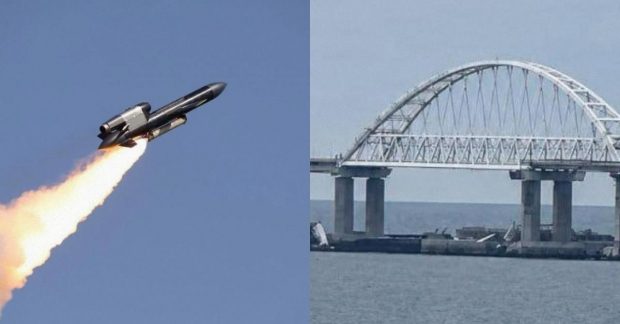
Experts reveal details of the successful operation on the Crimean Bridge
Aviation expert Kostiantyn Kryvolap discussed the use of secret Ukrainian developments and advanced communication technologies during the attack on the Kerch Bridge.
 👥Society
Heating issues in cities: actress Antonina Khizhniak reports on the situation in Ukrainka
Well-known actress Antonina Khizhniak shared information about the critical heating situation in the city of Ukrainka, where her grandmother lives.
 🛡️Security
Germany plans to allocate €11.6 billion in military support for Ukraine in 2027
The German government continues to scale up its military assistance, earmarking over €11 billion for Ukraine in the 2027 budget.