Ancient bacteria from permafrost revived after 40,000 years: research results
Scientists from the University of Colorado have activated microorganisms that have been frozen for millennia, discovering their ability to multiply rapidly upon thawing.
 🎓Education
Photo: UNIAN
Key points
- 40,000-year-old bacteria revived
- Biofilm formation after six months of heat
- Risk of greenhouse gas emissions from thawing permafrost
An international research team from the University of Colorado Boulder has conducted an experiment highlighting the potential risks of global warming. Scientists collected permafrost samples in Alaska, dating back 40,000 years, and exposed them to conditions simulating modern temperature increases.
Unexpected microbial activity
After adding water and maintaining temperatures between 3 and 12 degrees Celsius, the bacteria began to show signs of life. While the process was slow initially, within six months, researchers observed the formation of large biofilms visible to the naked eye.
This experiment confirms that prolonged summer heat provides a favorable environment for the reactivation of ancient microorganisms. The primary concern is that as these bacteria decompose organic matter, they release methane and carbon dioxide, which could accelerate global climate change.
Source UNIAN — unian.ua/science/vcheni-rozbudili-bakteriji-shcho-spali-u-vichniy-m… ↗
Read next
 🇺🇦Ukraine
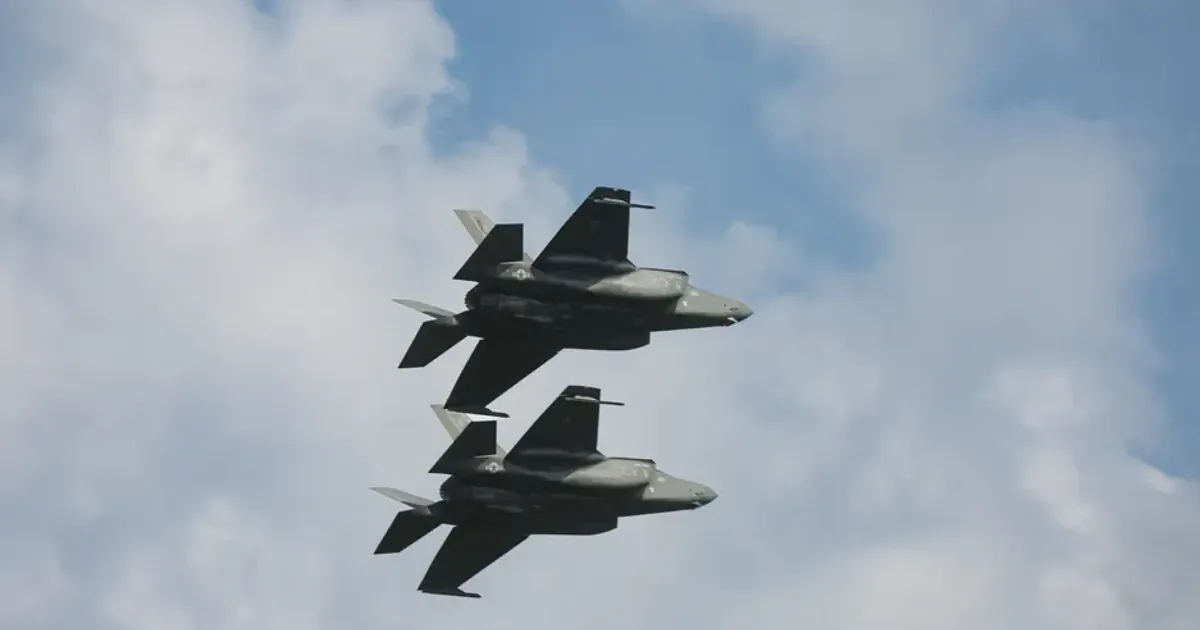
Poland Scrambles Jets During Russian Strike on Ukraine: Drone Enters NATO Airspace
During a massive Russian attack on Ukraine, a drone flew 70 km into Polish territory, prompting the Polish military to activate air defense protocols.
 🎭Culture & Sport
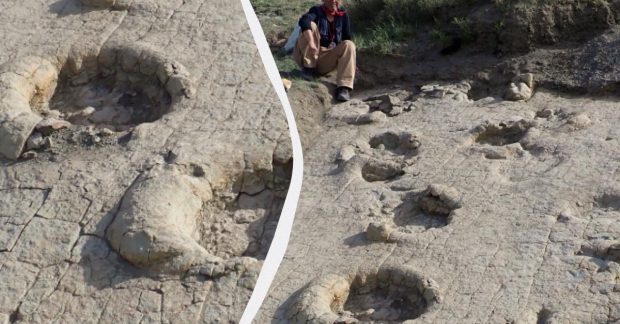
Footprints of Giants: Scientists Rediscover Unique Dinosaur Site in Mongolia After 70 Years
Researchers have successfully relocated a significant paleontological site in Northern Mongolia, identifying 31 fossilized dinosaur tracks dating back 120 million years.
 🛡️Security
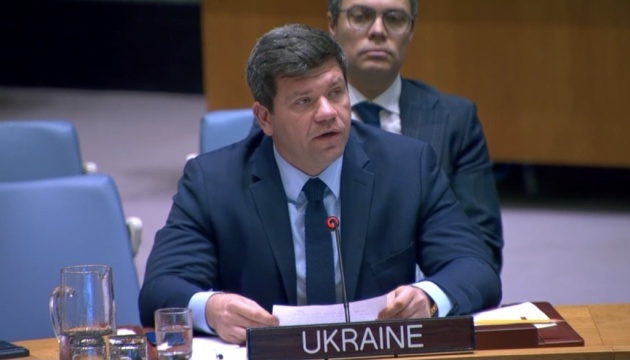
Ukraine at UN: Demands for Troop Withdrawal Are Not a Path to Peace
Ukraine’s Deputy Permanent Representative to the UN Volodymyr Pavlichenko stated that Russian demands for withdrawal from Donbas are a prelude to further aggression.
 👥Society
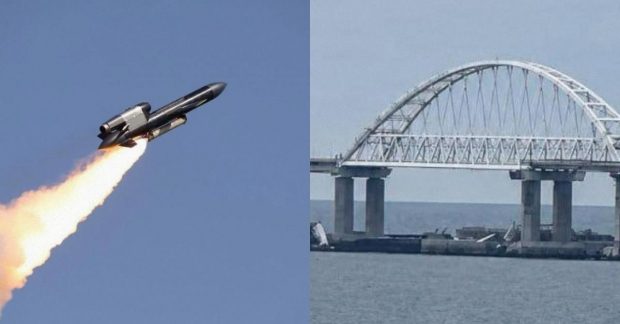
Experts reveal details of the successful operation on the Crimean Bridge
Aviation expert Kostiantyn Kryvolap discussed the use of secret Ukrainian developments and advanced communication technologies during the attack on the Kerch Bridge.
 👥Society
Heating issues in cities: actress Antonina Khizhniak reports on the situation in Ukrainka
Well-known actress Antonina Khizhniak shared information about the critical heating situation in the city of Ukrainka, where her grandmother lives.
 🛡️Security
Germany plans to allocate €11.6 billion in military support for Ukraine in 2027
The German government continues to scale up its military assistance, earmarking over €11 billion for Ukraine in the 2027 budget.