Crimean Bridge Strike Disrupts Russian Grain Logistics in Azov Sea
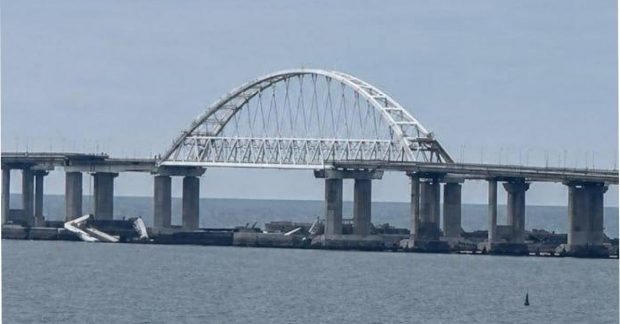
The recent attack on the Crimean Bridge has paralyzed key maritime export routes, significantly hindering the transport of grain from the Azov region.
 🚌Transport
Photo: UNIAN
Key points
- The bridge strike blocked the export of 27% of Russian grain from the Azov region.
- Occupied ports of Mariupol and Berdyansk have lost their significance as logistical hubs.
- Clearing the fairway of bridge debris could take months under the threat of further attacks.
On the night of November 17, the Ukrainian Defense Forces carried out a targeted strike on the Crimean Bridge, triggering a significant disruption in maritime transport corridors. This event carries profound economic weight beyond its military implications, as the Sea of Azov serves as a primary hub for grain shipments. According to Ivan Niyakyi, CEO of Olir Resources, the current situation makes exporting agricultural products from this region an extremely difficult task for the aggressor state.
Logistical Deadlock and Economic Fallout
Data from the previous season indicates that approximately 27% of total Russian grain exports, exceeding 14.7 million tons, passed through Azov basin ports. The primary recipients of these commodities have traditionally been Middle Eastern countries and Turkey. Now, with the bridge damaged, these established supply chains face a high risk of collapse.
- Export channels through the occupied ports of Mariupol and Berdyansk are completely blocked.
- "River-sea" class vessels risk being trapped in the Sea of Azov until the end of the navigation season.
- Clearing the fairway of bridge debris could take several months and will require heavy specialized equipment.
The expert notes that Russia had been attempting to restore full shipping through the Kerch Strait since July, but the recent strikes have nullified those efforts.
"This logistics channel is now effectively closed,"states Ivan Niyakyi, emphasizing that alternative routes, such as the port of Ochamchire in Abkhazia, are prohibitively expensive and slow due to the necessity of containerized transport.
For residents of southern Ukraine, including the Mykolaiv region, such news signifies a weakening of the occupiers' economic grip on seized territories. The reduced maneuverability in the Sea of Azov forces the enemy to reconsider logistics schemes, which directly impacts the intensity of transport artery usage near our community.
Source UNIAN — unian.ua/economics/agro/kerchenskiy-mist-urazili-sili-oboroni-ekspo… ↗
Read next
 🇺🇦Ukraine
Poland Scrambles Jets During Russian Strike on Ukraine: Drone Enters NATO Airspace
During a massive Russian attack on Ukraine, a drone flew 70 km into Polish territory, prompting the Polish military to activate air defense protocols.
 🎭Culture & Sport
Footprints of Giants: Scientists Rediscover Unique Dinosaur Site in Mongolia After 70 Years
Researchers have successfully relocated a significant paleontological site in Northern Mongolia, identifying 31 fossilized dinosaur tracks dating back 120 million years.
 🛡️Security
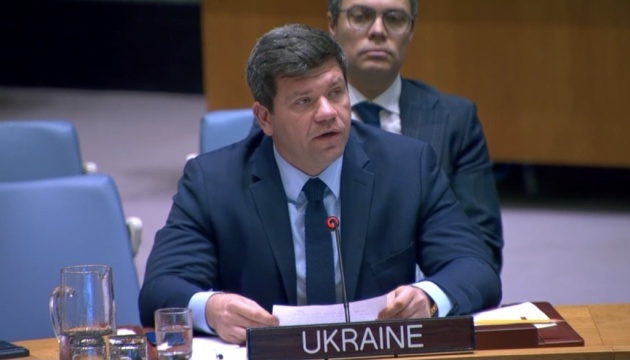
Ukraine at UN: Demands for Troop Withdrawal Are Not a Path to Peace
Ukraine’s Deputy Permanent Representative to the UN Volodymyr Pavlichenko stated that Russian demands for withdrawal from Donbas are a prelude to further aggression.
 👥Society
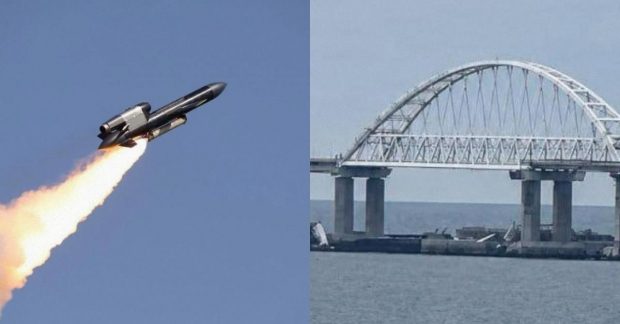
Experts reveal details of the successful operation on the Crimean Bridge
Aviation expert Kostiantyn Kryvolap discussed the use of secret Ukrainian developments and advanced communication technologies during the attack on the Kerch Bridge.
 👥Society
Heating issues in cities: actress Antonina Khizhniak reports on the situation in Ukrainka
Well-known actress Antonina Khizhniak shared information about the critical heating situation in the city of Ukrainka, where her grandmother lives.
 🛡️Security
Germany plans to allocate €11.6 billion in military support for Ukraine in 2027
The German government continues to scale up its military assistance, earmarking over €11 billion for Ukraine in the 2027 budget.